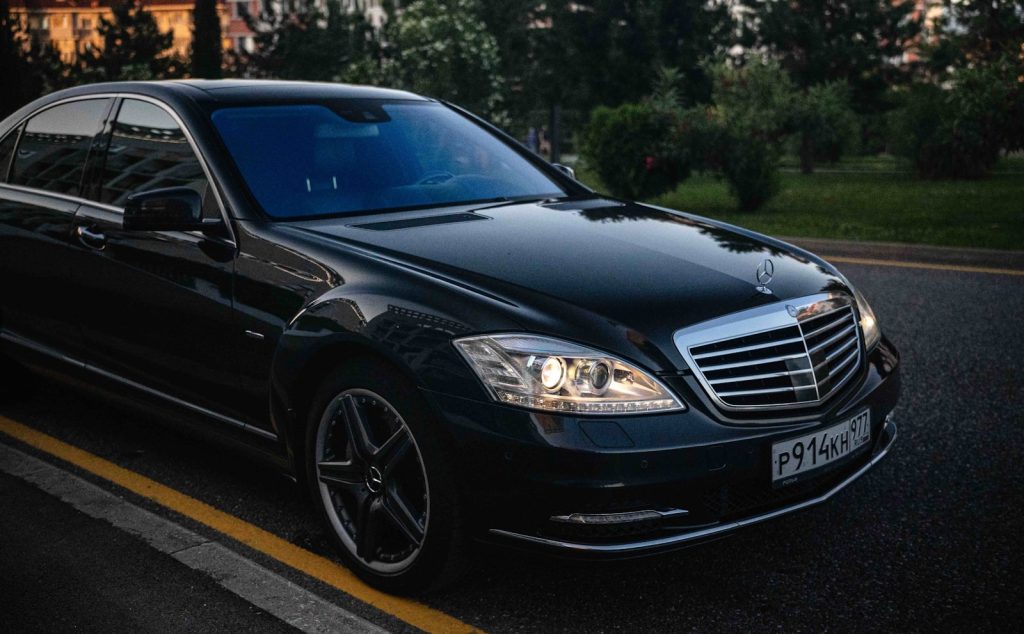
Driving in Bali tips for foreigners start with three pillars: understanding licence and IDP rules, deciding between self‑drive and a car with driver, and being realistic about traffic and road conditions. This page walks through those points in detail so you can decide if driving in Bali as a tourist actually makes sense for your trip.
Quick definition: what “driving in Bali as a foreigner” means in 2026
For most visitors, “driving in Bali” means one of three things:
- Hiring a car with a local driver (the default and easiest option), or
- Renting a car and self‑driving, or
- Riding a scooter or motorbike (legally still “driving” and subject to licence and insurance rules).
This page focuses on four practical areas:
- Licence and International Driving Permit (IDP) expectations for foreigners (general information, not legal advice).
- With‑driver versus self‑drive: which is realistic for you.
- Indicative car rental price ranges in Bali (last verified June 2026), deposits, and insurance excesses.
- Road rules and on‑the‑ground safety tips specific to foreigners.
Bali Exotic Car Rental is an independent concierge. We do not own a fleet and we are not a dealer for any car brand; names like Toyota, Honda, Mercedes‑Benz or Jeep in this article are purely to identify typical models you will see on the road. Our role is to match visitors with vetted rental partners, explain the trade‑offs clearly, and help set expectations on licence, deposit and insurance. No one can pay to change what we publish; if you proceed with our partner they may pay us a referral fee at no extra cost to you.
Licence and IDP: what foreigners usually need to drive in Bali
Nothing affects your risk profile more than whether you are driving legally. This is especially important for insurance coverage.
Home licence + IDP for self‑drive (general info, not legal advice)
As of 2026, the general expectation for foreigners who want to drive a car or scooter themselves in Bali is:
- A valid driving licence from your home country that covers the class of vehicle you intend to drive; and
- An International Driving Permit (IDP) that corresponds to that licence, if your licence is not Indonesian.
Key practical points:
- Car drivers: Typically need a passenger‑car category on your home licence plus an IDP. Some police officers may recognise certain licences without IDP, but relying on that is risky both for fines and for insurance disputes.
- Scooter/motorbike riders: If you want to ride a scooter with an engine size that would require a motorcycle endorsement at home, you should have that endorsement plus an IDP that reflects it. Riding on a car‑only licence can create serious insurance and legal issues.
- With‑driver rental: If you only ride in the back seat of a chauffeur‑driven car, you usually do not need to worry about IDP for driving purposes. You are a passenger; the licensed local driver is responsible for the vehicle.
This is general information only. Licence requirements can change, and interpretation on the road can differ from officer to officer. Always confirm with your embassy/consulate and the relevant Indonesian authorities before you travel.
Police checks and roadside fines
Foreigners occasionally encounter roadside checks, particularly near tourist‑dense areas and busy intersections. Typical checks include:
- Valid licence and (if foreign) IDP.
- Vehicle registration and tax documents (provided by your rental company).
- Helmet use for motorcyclists.
If you are found driving without the appropriate documents, you may be fined. More importantly, in any accident, lack of proper licensing can complicate insurance, liability and travel‑insurance claims.
How this connects to your insurance
Most rental insurers, and many travel‑insurance policies, only respond if you were driving legally. Even if the Bali police never stop you, your insurer can still deny claims if you:
- Drove without a valid licence/IDP for that vehicle class.
- Were under the influence of alcohol or drugs.
- Rode a scooter without a helmet, where helmet laws apply.
If you are even slightly unsure, leaning toward a car with driver is usually safer and less stressful than self‑drive.
With‑driver vs self‑drive in Bali
Choosing between with‑driver and self‑drive is the single biggest decision you will make around driving in Bali as a tourist.
Why “with driver” is the Bali default
In most of Bali’s tourist market, a car with an English‑speaking driver is the standard offer, not an add‑on. Reasons:
- Traffic and navigation: Congested main roads, narrow village lanes, unexpected ceremonies, and limited signage make navigation difficult if you are new to the island.
- Parking: Many beach clubs, cafes and viewpoints have tight or informal parking arrangements. Local drivers know where you can actually stop.
- Local knowledge: Drivers can suggest realistic route timings, warn you about days with higher ceremony traffic, and coordinate pick‑ups around changing plans.
- Lower stress: You focus on your day; your driver deals with potholes, scooters, and police checks.
- Paperwork burden: Your driver is responsible for the vehicle’s documents and local driving requirements.
For multi‑stop sightseeing days, and for visitors unused to Southeast Asian traffic, a car with driver is usually the sanest and safest option.
When self‑drive can make sense
Self‑drive may be appropriate if:
- You already have extensive experience driving in countries with similar road conditions.
- You plan longer stays in one region (e.g., a month around Canggu or Ubud) where you will drive familiar routes repeatedly.
- You are comfortable with left‑hand traffic, tight lanes and high scooter density.
- You have the correct licence and IDP and are confident managing police stops and paperwork.
Even then, many long‑stay guests still choose a car with driver for full‑day excursions and keep self‑drive for shorter familiar trips.
Pros and cons comparison
| Option | Main advantages | Main drawbacks |
|---|---|---|
| Car with driver | Low stress, no licence/IDP worry for you as a passenger, easier navigation and parking, better for long days and evenings out. | Less privacy, you coordinate timings with another person, slightly higher daily cost than bare self‑drive. |
| Self‑drive car | Maximum flexibility, privacy, “own pace” travel, can be cost‑effective for confident drivers on longer stays. | Needs proper licence+IDP, you handle all traffic, parking and police checks, higher risk if you misjudge conditions. |
| Scooter/motorbike | Very agile in traffic, inexpensive, easy parking, popular for solo travellers staying around one base. | Highest accident risk, weather‑exposed, requires correct motorcycle entitlement, limited luggage space. |
If you are undecided, a hybrid strategy works well: use a car with driver for big excursion days, and reassess self‑drive once you have seen Bali traffic from the passenger seat.
Need a reality‑check on what suits your itinerary? You can plan your trip with our team via email or WhatsApp – we’ll walk through your route, not just quote a car.
Indicative car rental price ranges in Bali (2026)
Pricing in Bali changes with season, fuel costs, exchange rates and vehicle availability. No two itineraries are identical, so treat these as broad, island‑wide reference ranges, last verified June 2026. Actual quotes may sit outside these bands depending on dates, specification and special requests.
Again, we name makes and models like Toyota Avanza or Mercedes‑Benz S‑Class only as examples of categories; there is no affiliation.
Typical daily price ranges by class
| Vehicle class (example models) | Typical use‑case | With driver (8–10 hrs) | Self‑drive |
|---|---|---|---|
| Economy hatchback (e.g. Toyota Agya, Honda Brio) | Solo or couples, short hops around South Bali. | ~ IDR 550,000 – 800,000 / day | ~ IDR 300,000 – 450,000 / day |
| Compact MPV (e.g. Toyota Avanza, Daihatsu Xenia) | Up to 4–5 adults with light luggage. | ~ IDR 650,000 – 950,000 / day | ~ IDR 350,000 – 500,000 / day |
| Larger MPV / family van (e.g. Toyota Innova) | Families, more comfort, longer drives. | ~ IDR 800,000 – 1,300,000 / day | ~ IDR 450,000 – 650,000 / day |
| Premium MPV (e.g. Toyota Alphard / Vellfire) | High‑comfort private touring, VIP transfers. | ~ IDR 1,700,000 – 3,000,000 / day | Self‑drive often not offered; where available: ~ IDR 1,200,000+ / day |
| Standard SUV (e.g. Toyota Rush, Honda BR‑V) | Mixed city + light rural roads, small groups. | ~ IDR 850,000 – 1,400,000 / day | ~ IDR 450,000 – 700,000 / day |
| 4×4 / off‑road style (e.g. Jeep‑style, older 4WDs) | Special routes, photo‑oriented trips, off‑paved sections. | ~ IDR 1,200,000 – 2,000,000 / day | Availability limited; usually guided/with‑driver only. |
| Luxury sedan (e.g. Mercedes‑Benz E‑/S‑Class) | Premium transfers, events, business travel. | ~ IDR 2,500,000 – 5,000,000+ / day | Self‑drive rarely offered; chauffeur is the norm. |
| Standard scooter (e.g. Honda Vario, Yamaha NMAX) | Solo/duo for close‑range trips around one area. | N/A – mostly self‑ride | ~ IDR 80,000 – 200,000 / day |
All ranges above are for “standard” daily usage in the 8–10 hour band for cars with driver, and typically exclude:
- Fuel (sometimes included, sometimes charged separately – check your offer).
- Tolls and parking fees.
- Overtime charges if you extend beyond the agreed hours.
- Entrance fees to attractions.
Long‑term rentals
For bookings of several weeks or months, per‑day rates for self‑drive cars and scooters can come down. In contrast, cars with driver typically remain closer to daily bands because you are paying for a human being’s time as much as the vehicle.
For long‑term leases, contracts, deposits and insurance structures can differ significantly. It’s worth getting this documented clearly before you commit.
Deposits, insurance and excess: how risk is actually shared
Another core part of any Bali road rules foreigners need to understand is how deposits and insurance work in practice. Each operator is different; treat the following as broad patterns, not a single company’s policy.
Security deposits
For self‑drive rentals, most operators will ask for a security deposit. Common structures:
- Cash deposit: You leave a fixed amount in cash; refunded at the end if the car is returned in agreed condition and on time.
- Credit card pre‑authorisation: A hold is placed on your card and later released.
- Document‑based “soft” deposit: Less common for visitors who book through premium channels; more common for walk‑in scooter rentals.
Typical ballparks (last verified June 2026):
- Economy/compact self‑drive cars: around IDR 1,000,000 – 3,000,000.
- Mid‑range MPV/SUV self‑drive: around IDR 2,000,000 – 5,000,000.
- Premium and luxury vehicles: significantly higher, often with mandatory credit‑card pre‑authorisations.
- Scooters: some rent without a monetary deposit, others may hold IDR 500,000 – 1,500,000, especially for newer or bigger‑engine models.
Cars with driver often do not require you to pay a damage deposit, because you are not in control of the vehicle. You may still be responsible for any damage you directly cause (for example, spilling a bottle of red wine on a light‑coloured interior), so basic care still matters.
Insurance and excess
At a minimum, you should understand three concepts:
- Third‑party liability
- Covers damage or injury you cause to others. Basic cover is usually included in car rental packages; limits vary.
- Collision / own‑damage cover
- Covers damage to the rental vehicle itself, minus any excess or exclusions.
- Excess (deductible)
- The portion of a claim you must pay out of pocket before the insurance responds.
Patterns we commonly see in Bali:
- Self‑drive cars: Often include basic insurance with an excess. That excess might run from around IDR 2,000,000 for small cars to higher figures for larger or newer vehicles.
- Optional excess‑reduction: Some providers offer an extra per‑day payment to reduce or waive the excess. Check what is genuinely reduced versus marketing wording.
- Scooters: Coverage is highly variable. Many inexpensive scooter rentals include only limited protection for the bike itself and very little for medical or third‑party liability. Your travel insurance may be the main safety net.
- Cars with driver: The vehicle is normally insured under the operator’s policy, with the professional driver as the insured driver. You are mostly exposed only to your belongings and to circumstances outside any vehicle policy (for example, your medical costs if another driver hits your car). Travel insurance remains important.
Common exclusions foreigners overlook
Always ask your provider to show you, or at least summarise, their exclusions. Typical examples:
- Driving under the influence of alcohol or drugs.
- Driving without appropriate licence/IDP for the vehicle type.
- Using the vehicle off authorised roads (e.g., deep sand, unapproved off‑road trails).
- Using the vehicle for races or unsanctioned events.
- Number of passengers exceeding the legal or insured capacity.
One practical habit: photograph the vehicle (all sides, interior, odometer, fuel level) at hand‑over and return. This reduces disputes and helps you document any pre‑existing marks.
Bali road rules for foreigners: what feels different
Many national driving manuals do not prepare you for Bali’s particular mix of formal rules and informal norms. These are the key differences visitors notice.
Left‑hand traffic and lane discipline
Indonesia drives on the left. That is simple in concept, but behaviour on the road is more fluid:
- Lane markings are treated as suggestions in slower, congested traffic.
- Scooters may appear on your left or right and can filter between cars.
- Drivers often “nose out” part‑way into traffic to claim space before being fully waved in.
If you are not comfortable using the left side of the road in such an environment, “practice” is best done as a passenger first.
Speed limits and actual speeds
Posted limits exist but are irregular and not always respected. Typical patterns:
- Urban / built‑up areas: nominal limits around 40–60 km/h, but actual speeds vary widely.
- Rural roads: cars often move around 40–70 km/h depending on traffic, animals, people, and road condition.
- Fastest segments: certain toll roads or newer bypasses allow higher legal speeds, but access may be limited and scooters may be restricted.
Foreign drivers often underestimate how much time they need between regions. A 35 km route can easily take 90 minutes or more, especially through Denpasar, Kuta, Canggu or Ubud at busy times.
Overtaking and right of way
On paper, Bali follows standard priority rules. In reality:
- Overtaking happens frequently, sometimes on narrow stretches.
- Larger vehicles – buses, trucks – are often given de facto priority.
- At unsignalised intersections, “first come, first go” and “who is already halfway through” often trump formal right‑of‑way.
- Flashing headlights may mean “I’m coming through; be ready” just as often as “you can go” – context matters.
If you choose to self‑drive, adopt a defensive posture: let locals do questionable manoeuvres; do not copy them.
Road surface and hazards
Beyond the well‑maintained main arteries, expect:
- Potholes and partial repairs.
- Speed bumps (often unmarked) at village entries.
- Dogs and chickens wandering onto the road.
- Ceremony processions that temporarily occupy entire lanes.
- Narrow bridges and sections where two vehicles must negotiate passing space.
Driving at night magnifies these risks because lighting outside town centres can be limited and glare from oncoming headlights can be strong.
Parking realities
Official carparks exist at many major attractions, but you will also encounter:
- Informal attendants directing you to spaces for a small fee.
- Very tight parking bays where the driver must reposition multiple times.
- Situations where your car becomes boxed in by later arrivals.
Professional drivers routinely manage these dynamics and coordinate via phone or messaging for pick‑ups. Self‑drivers can find this frustrating, especially in busy areas like Seminyak, Canggu beach roads or central Ubud.
Planning realistic routes and areas to drive
Not all routes are equal in difficulty. Below is a simplified overview to help you decide where self‑drive might be reasonable and where a driver is strongly advised.
| Area / route type | Typical driving challenge level | Notes for foreigners |
|---|---|---|
| South Bali tourist belt (Kuta, Legian, Seminyak, Canggu) | Medium to high (congestion, scooters, parking) | Traffic is dense; many short trips, one‑way systems and tight parking. With‑driver is comfortable; scooters popular but higher risk. |
| Airport to main resort areas | Medium (mix of highways and tight local streets) | Arrival fatigue plus unfamiliar roads make a driver a strong choice for day 1, even if you self‑drive later. |
| Ubud and central Bali | Medium (narrow streets, tour buses, ceremonies) | Beautiful scenery but many blind corners and village activities on the road edges. Extra caution if self‑driving. |
| North and West Bali (e.g. Singaraja region, coastal roads) | Medium to high (longer distances, varied surfaces) | Longer drives with limited lighting in places. A driver helps with fatigue; self‑drive only if very confident. |
| Mountain routes (e.g. Bedugul, Kintamani) | Higher (steep gradients, fog/rain, sharp bends) | Weather can change quickly. Using a driver reduces risk, especially at night or during wet season periods. |
| Remote village and off‑paved tracks | Highest (unpredictable surfaces, no lighting) | Usually better tackled with a driver familiar with the route, or as part of an organised excursion with suitable vehicles. |
For many guests, the best balance is:
- Use a car with driver for airport transfers and all‑day excursions to Ubud, central highlands, and north/west Bali.
- Consider self‑drive only for repeated short routes around your base once you understand local conditions, and only with proper licence/IDP and insurance.
Common scams and pitfalls in Bali vehicle rental
Most rental experiences go smoothly, but foreigners should be aware of recurring problem patterns.
Too‑good‑to‑be‑true prices
If a rate is dramatically below the ranges outlined earlier, ask why. Potential trade‑offs:
- Very high excess or minimal insurance.
- Poor maintenance and older tyres or brakes.
- Unclear policies on breakdowns and roadside assistance.
- Sudden extra charges for “compulsory add‑ons” at pick‑up.
Paying a fair market rate to a vetted operator is usually cheaper than a “bargain” that leaves you exposed.
Unclear damage responsibility
Disputes often centre on small scratches or pre‑existing dents. Minimise issues by:
- Doing a walk‑around with the provider at hand‑over.
- Taking time‑stamped photos or video of all sides and interior.
- Clarifying in writing what counts as “normal wear” and what does not.
For scooters, also check lights, horn and brakes before accepting the bike.
Helmet and passenger rules on scooters
Many tourists copy what they see: two adults plus a child on one scooter, minimal helmets, flip‑flops. Even if locals do it, your risk is different:
- Police may target foreigners more readily for fines.
- Insurers can argue contributory negligence or policy breach if you ride without helmets or overload the bike.
- Medical care and medical evacuation costs can be substantial.
If you would not put your family on that scooter at home under those conditions, assume it is also a bad idea in Bali.
Unlicensed or informal drivers
Booking “someone’s cousin’s car” through casual chats or social media can feel friendly but exposes you to:
- Unclear insurance status.
- No formal backup vehicle if there is a breakdown.
- No structured dispute‑resolution channel if something goes wrong.
Working through a concierge that vets partners for licensing, insurance and professionalism reduces these risks substantially.
How Bali Exotic Car Rental helps visitors navigate all this
As an independent concierge, Bali Exotic Car Rental:
- Evaluates multiple rental partners on documentation, maintenance, and service standards.
- Explains, in plain language, how their licence and insurance requirements apply to your situation.
- Provides indicative price expectations before you commit, so you know if a quote is realistic.
- Advises honestly if self‑drive is a poor fit for your stated comfort level or itinerary.
We focus on exotic and luxury‑leaning experiences – from comfortable MPVs through to more premium sedans and vans – but always subject to availability. Our goal is not to push the biggest car, but to match the right vehicle and service level to your route and risk tolerance.
For deeper guidance on vehicle classes and pricing, you can also check our main car‑rental guide on the site, then plan your trip with a tailored WhatsApp or email consultation.
Practical checklist for foreigners planning to drive in Bali
Use this as a pre‑trip and pick‑up checklist:
- Before you fly:
- Confirm what licence and IDP you need with your local authority and the relevant Indonesian authority (general info here is not legal advice).
- Check your travel insurance for coverage of car or scooter rental, medical costs, and any exclusions for engine size or licence type.
- Decide honestly: with driver, self‑drive, scooter, or a mix?
- Before you book:
- Request a written quote detailing: hours, inclusions (driver, fuel), insurance, excess, and deposit.
- Ask which documents you must show at pick‑up (passport copy, licence, IDP, credit card).
- Confirm whether the car will be used by multiple drivers and whether that is permitted.
- At vehicle hand‑over:
- Photograph the car/bike inside and out.
- Check lights, wipers, AC, brakes and horn.
- Note fuel level and agreed return level.
- Confirm how to reach support if you have a breakdown or accident.
- While driving:
- Stay conservative on speed; expect the unexpected from scooters and pedestrians.
- Avoid driving unfamiliar routes in heavy rain or at night if you can.
- Keep your documents (licence, IDP, rental contract copy) accessible in case of checks.
Ready to talk through your Bali driving plans?
If you are still unsure how these driving in Bali tips apply to your own trip, you don’t have to guess. Share your dates, group size, luggage and rough itinerary and we will:
- Suggest realistic routing and timing.
- Indicate appropriate vehicle classes and service levels.
- Connect you with vetted providers that match your profile and budget, subject to availability.
You can plan your trip with us via email or WhatsApp – we aim for clear, practical answers, not pressure.
FAQs: Driving in Bali as a tourist
Do I really need an International Driving Permit to drive in Bali?
For foreigners, the safest general position is to have both a valid home‑country licence and an International Driving Permit that covers the same vehicle class. This reduces the risk of fines at police checks and helps protect your insurance position. Requirements can change and may depend on your nationality, so confirm with your local licensing authority and the Indonesian authorities; this is general information only, not legal advice.
Is it safe for foreigners to drive a scooter in Bali?
Many tourists ride scooters, but accident rates are significant. Safety depends on your experience level, proper licensing (including motorcycle entitlement where required), helmet use, and willingness to ride conservatively in mixed traffic. From a risk perspective, using a car with driver is usually safer, especially for families or first‑time visitors.
How much does car rental with driver cost in Bali?
As a broad island‑wide reference, last verified June 2026, full‑day car‑with‑driver packages commonly range from around IDR 550,000 – 950,000 per day for basic cars and compact MPVs, up through around IDR 800,000 – 1,400,000 for larger MPVs or SUVs, and significantly more for premium MPVs and luxury sedans. Exact pricing depends on vehicle, season, hours, fuel policy and inclusions.
Can tourists drive in Bali with just an Australian, UK, EU or US licence?
Some visitors report being allowed to proceed at roadside checks with a national licence alone, but others have been fined without an IDP. More importantly, insurers may insist on both a valid home licence and an IDP for foreigners. To reduce legal and insurance ambiguity, it is prudent to carry both. Always verify current rules with the relevant authorities; this is not legal advice.
Is it better to rent a car at Bali airport or arrange in advance?
Arranging in advance through a reputable channel usually leads to clearer documentation, better vehicle selection, and less pressure at the arrivals hall. For higher‑end vehicles and for cars with driver, pre‑booking is strongly recommended because availability can be limited on popular dates.